Buy d3v.eu ?
We are moving the project
d3v.eu .
Are you interested in purchasing the domain
d3v.eu ?
domain@kv-gmbh.de · 0541-91531010
Buy d3v.eu ?
Can dogs eat apricot kernels?
No, dogs should not eat apricot kernels. Apricot kernels contain amygdalin, which can release cyanide when metabolized. Cyanide is toxic to dogs and can cause symptoms such as vomiting, diarrhea, difficulty breathing, and even death. It's important to keep apricot kernels and other foods containing cyanide away from dogs to prevent accidental ingestion. **
How can I bring Robelo to the Hateno Ancient Tech Lab?
To bring Robelo to the Hateno Ancient Tech Lab, you can start by speaking to him in the Akkala Ancient Tech Lab and asking him to come to Hateno. He will agree to come if you show him a blue flame, which you can find near the lab. Once you have the blue flame, lead Robelo to the Hateno Ancient Tech Lab while making sure the flame doesn't go out. Once you arrive at the lab, Robelo will be impressed and agree to stay there. **

Similar search terms for Terpenic-Lab-Apricot-Vegetable
Top-Angebote
Products related to Terpenic-Lab-Apricot-Vegetable:
-
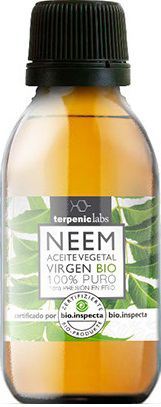
Terpenic Lab Neem Vegetable Oil 50 mlHealth and Beauty First aid kit Terpenic Lab Neem Vegetable Oil 50 ml Neem vegetable oil is obtained by cold-pressing the seeds of the Melia azadirachta tree, a spice widely distributed throughout the tropics and subtropics, occupying habitats ranging from rainforests to semi-desert areas. However, today, the production of this vegetable oil is almost exclusive to India. It has a thick liquid to semi-solid consistency, and its color ranges from dark yellow to almost black, it has a bitter taste, and its aroma is reminiscent of garlic. Valued for its antibacterial, antifungal and antiparasitic properties. Neem vegetable oil is rich in omegas, giving it nourishing and emollient properties. It is also known for its antiseptic and antifungal properties, and as an insect repellent against mosquitoes, mites, fleas, ticks, lice, and moths.13,39 £*Shipping: 3,99 £Secure redirect to the provider
-
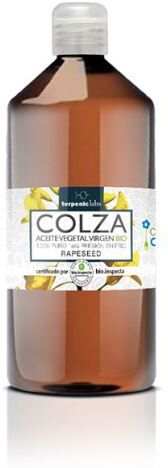
Terpenic Lab Rapeseed Vegetable Oil 100 mlNutrition and Supplements Natural Extracts Terpenic Lab Rapeseed Vegetable Oil 100 ml Brassica campestris L., or rapeseed, is an annual plant that grows to 60–140 cm. It is very typical of Europe. The vegetable oil is obtained by cold-pressing its seeds and then filtering them. The vegetable oil is pale yellow in color and has a slight sulfurous odor. Its dermal absorption rate is medium. Although it was once rich in euricic acid, today we have different types with low levels of this fatty acid that are used in the food industry. Contains essential fat-soluble vitamins, minerals and a high content of alpha-linolenic acid. As can be seen in the lipid profile, there is a proportion between omega 3, omega 6, and omega 9 fatty acids, which makes it very interesting as a nutritional contribution of these essential fatty acids. Uses and applications: Cosmetic use: Rapeseed oil is widely used in cosmetics due to its unique lipid profile. It is highly valued for massages and skin nourishment. Recommended for both baby and adult skin. Massage synergies, nourishing facial and body oil serums, and use in the preparation of macerations for therapeutic purposes are developed. Oral use: Rapeseed oil is widely used in cooking. It's ideal for salads, steaming, frying, or making mayonnaise. Due to its composition of essential fatty acids, vitamins and other nutritional components, it is attributed with benefits for the cardiovascular system.6,58 £*Shipping: 3,99 £Secure redirect to the provider
-
Terpenic Lab Neem Vegetable Oil 100 mlHealth and Beauty First aid kit Terpenic Lab Neem Vegetable Oil 100 ml Neem vegetable oil is obtained by cold-pressing the seeds of the Melia azadirachta tree, a spice widely distributed throughout the tropics and subtropics, occupying habitats ranging from rainforests to semi-desert areas. However, today, the production of this vegetable oil is almost exclusive to India. It has a thick liquid to semi-solid consistency, and its color ranges from dark yellow to almost black, it has a bitter taste, and its aroma is reminiscent of garlic. Valued for its antibacterial, antifungal and antiparasitic properties. Neem vegetable oil is rich in omegas, giving it nourishing and emollient properties. It is also known for its antiseptic and antifungal properties, and as an insect repellent against mosquitoes, mites, fleas, ticks, lice, and moths.7,54 £*Shipping: 3,99 £Secure redirect to the provider
-
Terpenic Lab Sesame Vegetable Oil 100 mlHealth and Beauty Creams Terpenic Lab Sesame Vegetable Oil 100 ml Terpenic Labs Sesame Oil is obtained from the sesame seed (Sesamum indicum), a plant native to India and Africa. The seed's oil content is approximately 65%. The resulting liquid is light yellow and almost odorless. Properties: Widely used in Eastern massage (Ayurvedic treatments, yoga, etc.). Highly valued for its relaxing and analgesic properties, as well as for its ability to solubilize toxins in detoxification treatments. The main properties are: Regenerating, Softening, UV Protecting and Antioxidant. Uses and applications: For all the above reasons, sesame oil is one of the best known and most widely used. Oral use: used as food since in addition to the caloric contribution we obtain essential fatty acids such as ω 6 and ω 9 among others and in multiple oriental dishes. External use: combination skin, sun protection (for weak skin), brittle nails, and massage base. In beauty treatments, refined sesame is used for hot massages. Sesame, having a higher proportion of unsaponifiable matter than refined sesame, has intensified regenerative, skin and hair softening properties, mild sun protection against UVB (without a specific sun factor), and antioxidant action.7,74 £*Shipping: 3,99 £Secure redirect to the provider

-
Can guinea pigs eat apricot branches?
No, guinea pigs should not eat apricot branches. Apricot branches can be toxic to guinea pigs and may cause digestive issues or other health problems if ingested. It is important to only feed guinea pigs a diet that is safe and appropriate for their digestive system, such as hay, fresh vegetables, and a small amount of fruit as treats. **
-
Can apricot crayfish be kept alone?
Apricot crayfish are social creatures and generally do better when kept in groups rather than alone. Keeping them alone can lead to stress and loneliness, which may impact their overall health and well-being. It is recommended to keep apricot crayfish in a suitable sized tank with other compatible tank mates to provide them with a more natural and enriching environment. **
-
Which color does apricot go with?
Apricot pairs well with a variety of colors, including soft pastels like pale pink, mint green, and light blue for a fresh and feminine look. It also complements earthy tones like olive green, mustard yellow, and terracotta for a warm and cozy feel. Additionally, apricot can be paired with neutrals like white, cream, and beige for a classic and elegant combination. **
-
Are 36 apricot kernels edible at all?
Consuming 36 apricot kernels at once is not recommended as they contain amygdalin, a compound that can release cyanide in the body when metabolized. Consuming a large amount of apricot kernels can lead to cyanide poisoning, which can be harmful or even fatal. It is advised to consume apricot kernels in moderation and consult a healthcare professional for guidance on safe consumption levels. **


How is pruning done for apricot trees?
Pruning apricot trees is typically done during the dormant season in late winter or early spring. Start by removing any dead, diseased, or broken branches. Then, thin out the canopy to allow for better air circulation and sunlight penetration. Finally, prune back any overly vigorous or crowded branches to promote fruit production and overall tree health. It is important to use sharp, clean tools and make clean cuts to minimize damage and promote healing. **
Are 40 to 50 apricot kernels dangerous?
Yes, consuming 40 to 50 apricot kernels can be dangerous due to the presence of amygdalin, a compound that can release cyanide in the body when metabolized. Consuming this amount of apricot kernels can lead to cyanide poisoning, which can cause symptoms such as dizziness, headache, nausea, vomiting, and in severe cases, can be life-threatening. It is important to consume apricot kernels in moderation and consult with a healthcare professional before incorporating them into your diet. **
Top-Angebote
Products related to Terpenic-Lab-Apricot-Vegetable:
-
Terpenic Lab Apricot Vegetable Oil 250 mlHealth and Beauty Creams Terpenic Lab Apricot Vegetable Oil 250 ml It is a very pleasant oil that provides a mild sensation. Powerful anti-wrinkle, demulcent for mucous membranes, and skin tonic. It provides a nourishing, protective, moisturizing, soothing, emollient, revitalizing effect and has a good makeup-removing action. Soothing for sensitive skin, regenerating for dull and tired skin, baby skin care.13,97 £*Shipping: 3,99 £Secure redirect to the provider
-
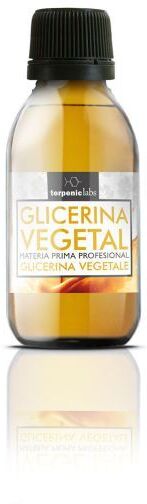
Terpenic Lab Vegetable Glycerin 125 grHealth and Beauty Creams Terpenic Lab Vegetable Glycerin 125 gr An excellent personal care product, thanks to its hygroscopic properties, it is used as a moisturizer. It also helps improve elasticity, is highly resistant to freezing, and can be crystallized. How to use: - It is used for skin care products, in creams and lotions.4,62 £*Shipping: 3,99 £Secure redirect to the provider
-
Terpenic Lab Neem Vegetable Oil 50 mlHealth and Beauty First aid kit Terpenic Lab Neem Vegetable Oil 50 ml Neem vegetable oil is obtained by cold-pressing the seeds of the Melia azadirachta tree, a spice widely distributed throughout the tropics and subtropics, occupying habitats ranging from rainforests to semi-desert areas. However, today, the production of this vegetable oil is almost exclusive to India. It has a thick liquid to semi-solid consistency, and its color ranges from dark yellow to almost black, it has a bitter taste, and its aroma is reminiscent of garlic. Valued for its antibacterial, antifungal and antiparasitic properties. Neem vegetable oil is rich in omegas, giving it nourishing and emollient properties. It is also known for its antiseptic and antifungal properties, and as an insect repellent against mosquitoes, mites, fleas, ticks, lice, and moths.13,39 £*Shipping: 3,99 £Secure redirect to the provider
-
Terpenic Lab Rapeseed Vegetable Oil 100 mlNutrition and Supplements Natural Extracts Terpenic Lab Rapeseed Vegetable Oil 100 ml Brassica campestris L., or rapeseed, is an annual plant that grows to 60–140 cm. It is very typical of Europe. The vegetable oil is obtained by cold-pressing its seeds and then filtering them. The vegetable oil is pale yellow in color and has a slight sulfurous odor. Its dermal absorption rate is medium. Although it was once rich in euricic acid, today we have different types with low levels of this fatty acid that are used in the food industry. Contains essential fat-soluble vitamins, minerals and a high content of alpha-linolenic acid. As can be seen in the lipid profile, there is a proportion between omega 3, omega 6, and omega 9 fatty acids, which makes it very interesting as a nutritional contribution of these essential fatty acids. Uses and applications: Cosmetic use: Rapeseed oil is widely used in cosmetics due to its unique lipid profile. It is highly valued for massages and skin nourishment. Recommended for both baby and adult skin. Massage synergies, nourishing facial and body oil serums, and use in the preparation of macerations for therapeutic purposes are developed. Oral use: Rapeseed oil is widely used in cooking. It's ideal for salads, steaming, frying, or making mayonnaise. Due to its composition of essential fatty acids, vitamins and other nutritional components, it is attributed with benefits for the cardiovascular system.6,58 £*Shipping: 3,99 £Secure redirect to the provider
-
Can dogs eat apricot kernels?
No, dogs should not eat apricot kernels. Apricot kernels contain amygdalin, which can release cyanide when metabolized. Cyanide is toxic to dogs and can cause symptoms such as vomiting, diarrhea, difficulty breathing, and even death. It's important to keep apricot kernels and other foods containing cyanide away from dogs to prevent accidental ingestion. **
-
How can I bring Robelo to the Hateno Ancient Tech Lab?
To bring Robelo to the Hateno Ancient Tech Lab, you can start by speaking to him in the Akkala Ancient Tech Lab and asking him to come to Hateno. He will agree to come if you show him a blue flame, which you can find near the lab. Once you have the blue flame, lead Robelo to the Hateno Ancient Tech Lab while making sure the flame doesn't go out. Once you arrive at the lab, Robelo will be impressed and agree to stay there. **
-
Can guinea pigs eat apricot branches?
No, guinea pigs should not eat apricot branches. Apricot branches can be toxic to guinea pigs and may cause digestive issues or other health problems if ingested. It is important to only feed guinea pigs a diet that is safe and appropriate for their digestive system, such as hay, fresh vegetables, and a small amount of fruit as treats. **
-
Can apricot crayfish be kept alone?
Apricot crayfish are social creatures and generally do better when kept in groups rather than alone. Keeping them alone can lead to stress and loneliness, which may impact their overall health and well-being. It is recommended to keep apricot crayfish in a suitable sized tank with other compatible tank mates to provide them with a more natural and enriching environment. **
Similar search terms for Terpenic-Lab-Apricot-Vegetable
-
Terpenic Lab Neem Vegetable Oil 100 mlHealth and Beauty First aid kit Terpenic Lab Neem Vegetable Oil 100 ml Neem vegetable oil is obtained by cold-pressing the seeds of the Melia azadirachta tree, a spice widely distributed throughout the tropics and subtropics, occupying habitats ranging from rainforests to semi-desert areas. However, today, the production of this vegetable oil is almost exclusive to India. It has a thick liquid to semi-solid consistency, and its color ranges from dark yellow to almost black, it has a bitter taste, and its aroma is reminiscent of garlic. Valued for its antibacterial, antifungal and antiparasitic properties. Neem vegetable oil is rich in omegas, giving it nourishing and emollient properties. It is also known for its antiseptic and antifungal properties, and as an insect repellent against mosquitoes, mites, fleas, ticks, lice, and moths.7,54 £*Shipping: 3,99 £Secure redirect to the provider
-
Terpenic Lab Sesame Vegetable Oil 100 mlHealth and Beauty Creams Terpenic Lab Sesame Vegetable Oil 100 ml Terpenic Labs Sesame Oil is obtained from the sesame seed (Sesamum indicum), a plant native to India and Africa. The seed's oil content is approximately 65%. The resulting liquid is light yellow and almost odorless. Properties: Widely used in Eastern massage (Ayurvedic treatments, yoga, etc.). Highly valued for its relaxing and analgesic properties, as well as for its ability to solubilize toxins in detoxification treatments. The main properties are: Regenerating, Softening, UV Protecting and Antioxidant. Uses and applications: For all the above reasons, sesame oil is one of the best known and most widely used. Oral use: used as food since in addition to the caloric contribution we obtain essential fatty acids such as ω 6 and ω 9 among others and in multiple oriental dishes. External use: combination skin, sun protection (for weak skin), brittle nails, and massage base. In beauty treatments, refined sesame is used for hot massages. Sesame, having a higher proportion of unsaponifiable matter than refined sesame, has intensified regenerative, skin and hair softening properties, mild sun protection against UVB (without a specific sun factor), and antioxidant action.7,74 £*Shipping: 3,99 £Secure redirect to the provider
-
Terpenic Lab Jojoba Vegetable Oil 250 mlHealth and Beauty Creams Terpenic Lab Jojoba Vegetable Oil 250 ml Terpenic Labs Jojoba oil is obtained from the seed of the Jojoba bush (Buxus Chinensis), a plant native to the Sonoran and Mojave deserts (areas belonging to Mexico and the USA). The oil content of the fresh seed is close to 50%. The resulting liquid is very unique in the world of oils, as it could actually be classified as a natural wax due to its high content of fatty acids and alcohols. Properties: Treatment for oily and acne-prone skin, sebum regulation, nourishing, highly recommended for facial and hair applications.25,54 £*Shipping: 3,99 £Secure redirect to the provider
-
Terpenic Lab Rosehip Vegetable Oil 30 mlHealth and Beauty Creams Terpenic Lab Rosehip Vegetable Oil 30 ml Terpenic Labs Rosehip Oil has been selected for its high content of polyunsaturated fatty acids, especially linoleic and linolenic acids (over 75%). These fatty acids, which our bodies cannot produce, are absorbed through the skin and are essential in the biochemical processes related to tissue regeneration and the synthesis of new cells. Rosehip oil is indicated for dry, dehydrated or aged skin. It is suitable for the specific care of sensitive areas such as eyelids, the eye contour or areas close to mucous membranes. It can be applied as a preventative measure against wrinkles and to nourish, moisturize, and protect the skin from premature aging. It is also used in formulations for the treatment of burns, eczema, and scars.13,87 £*Shipping: 3,99 £Secure redirect to the provider
-
Which color does apricot go with?
Apricot pairs well with a variety of colors, including soft pastels like pale pink, mint green, and light blue for a fresh and feminine look. It also complements earthy tones like olive green, mustard yellow, and terracotta for a warm and cozy feel. Additionally, apricot can be paired with neutrals like white, cream, and beige for a classic and elegant combination. **
-
Are 36 apricot kernels edible at all?
Consuming 36 apricot kernels at once is not recommended as they contain amygdalin, a compound that can release cyanide in the body when metabolized. Consuming a large amount of apricot kernels can lead to cyanide poisoning, which can be harmful or even fatal. It is advised to consume apricot kernels in moderation and consult a healthcare professional for guidance on safe consumption levels. **
-
How is pruning done for apricot trees?
Pruning apricot trees is typically done during the dormant season in late winter or early spring. Start by removing any dead, diseased, or broken branches. Then, thin out the canopy to allow for better air circulation and sunlight penetration. Finally, prune back any overly vigorous or crowded branches to promote fruit production and overall tree health. It is important to use sharp, clean tools and make clean cuts to minimize damage and promote healing. **
-
Are 40 to 50 apricot kernels dangerous?
Yes, consuming 40 to 50 apricot kernels can be dangerous due to the presence of amygdalin, a compound that can release cyanide in the body when metabolized. Consuming this amount of apricot kernels can lead to cyanide poisoning, which can cause symptoms such as dizziness, headache, nausea, vomiting, and in severe cases, can be life-threatening. It is important to consume apricot kernels in moderation and consult with a healthcare professional before incorporating them into your diet. **
* All prices are inclusive of VAT and, if applicable, plus shipping costs. The offer information is based on the details provided by the respective shop and is updated through automated processes. Real-time updates do not occur, so deviations can occur in individual cases. ** Note: Parts of this content were created by AI.